
Our Products
WOOD ASH POWDER
WOOD ASH POWDER
WOOD ASH POWDER
WOOD ASH POWDER
WOOD ASH POWDER
WOOD ASH POWDER
WOOD ASH POWDER
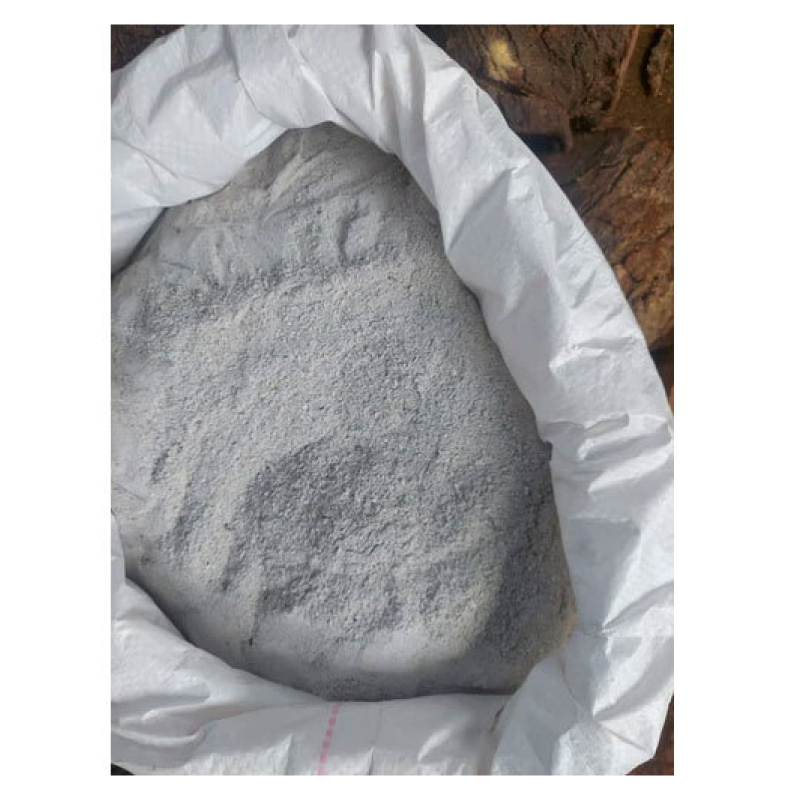
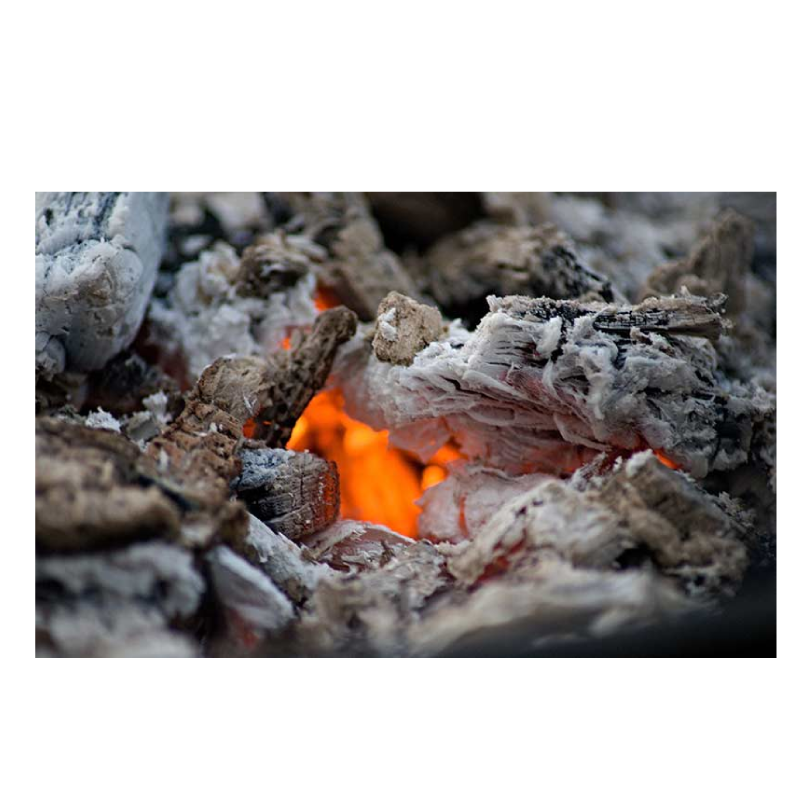
Wood Ash Powder is a naturally derived mineral-rich material obtained from the controlled combustion of untreated wood and biomass fuel. It is commonly generated as a residual by-product of wood-fired and biomass-fired industrial boilers, where natural, untreated wood is used as a renewable source of energy.
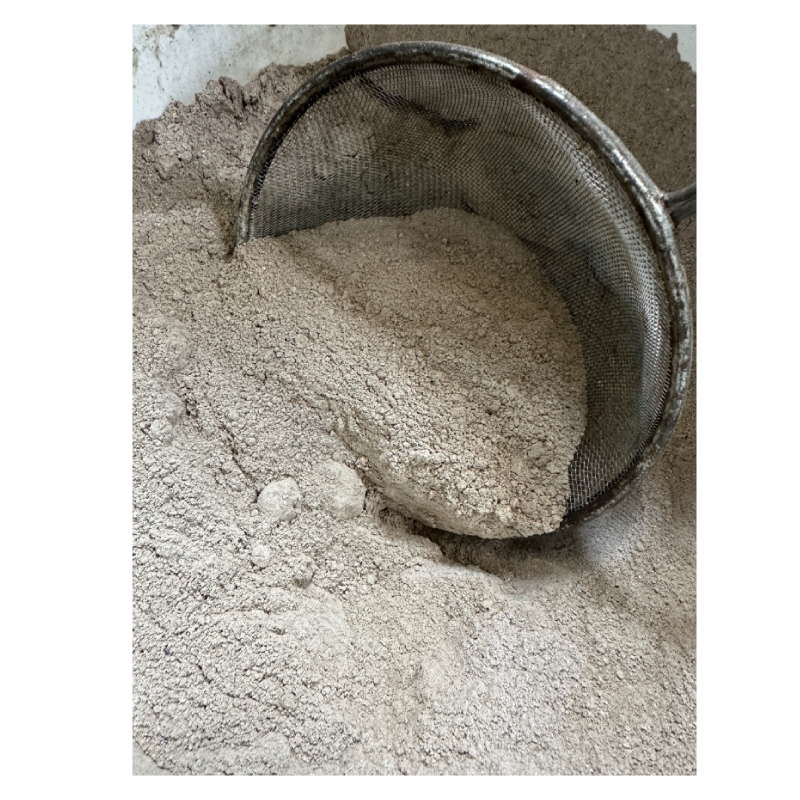
Following combustion, the resulting ash is carefully collected, cooled, and processed through screening and sieving to remove unburnt debris, foreign particles, and oversized fragments. The material is then dried, graded to a consistent particle size, and packed under clean conditions prior to dispatch.
As the product originates from natural wood rather than synthetic or chemically treated inputs, it is regarded internationally as a sustainable soil amendment. Its use supports the recycling of biomass residues into a beneficial agricultural and horticultural input, in line with circular-economy principles increasingly adopted by public landscaping and parks authorities.
Product Overview
Wood Ash Powder is a naturally derived, mineral-rich material obtained from the controlled combustion of untreated wood and biomass fuel. It is commonly generated as a residual by-product of wood-fired and biomass-fired industrial boilers, where natural untreated wood is used as a renewable energy source.
Following combustion, the resulting ash is carefully collected, cooled, and processed through screening and sieving to remove unburnt debris, foreign particles, and oversized fragments. The material is then dried, graded to a consistent particle size, and packed under clean conditions before dispatch.
Since the product originates from natural wood rather than synthetic or chemically treated inputs, it is widely regarded as a sustainable soil amendment. Its use supports the recycling of biomass residues into beneficial agricultural and horticultural inputs, in line with circular-economy principles increasingly adopted by public landscaping departments, parks authorities, farms, and commercial growers.
What is Wood Ash Powder?
- A naturally occurring material formed after the controlled and complete combustion of untreated wood.
- An eco-friendly biomass by-product derived from renewable natural resources rather than mined or synthetically manufactured inputs.
- Naturally rich in plant-essential minerals, including calcium, potassium, magnesium, phosphorus, silicon, and trace elements.
- Produced as a residue of controlled wood combustion in industrial boilers rather than through open or uncontrolled burning.
- Commonly used as a traditional and modern soil conditioner, liming material, and mineral supplement in agriculture, horticulture, landscaping, and sustainable farming.
- Suitable for use in public parks, nurseries, gardens, turf management, tree plantations, and composting applications.
Natural Mineral Composition
Wood Ash Powder naturally contains several minerals that contribute to soil fertility and plant development. The exact composition may vary depending on the wood species, biomass source, and combustion conditions.
Exact percentages are not stated in this section because natural mineral composition varies. Refer to the Typical Chemical Composition section for indicative ranges.
| Mineral | Function in Soil | Benefit to Plants |
|---|---|---|
| Calcium (Ca) | Improves soil structure and helps neutralise soil acidity. | Strengthens cell walls and supports root development. |
| Potassium (K) | Improves cation exchange and supports balanced nutrient availability. | Strengthens stems and supports disease resistance, water regulation, and fruit quality. |
| Magnesium (Mg) | Supports overall soil mineral balance. | Forms a central component of chlorophyll and supports photosynthesis. |
| Phosphorus (P) | Contributes to soil fertility. | Supports root establishment, flowering, and plant development. |
| Silicon (Si) | Supports soil structure and water-retention characteristics. | Strengthens plant tissue and supports resistance to environmental stress. |
| Sulphur (S) | Supports beneficial soil microbial activity. | Assists in protein synthesis and enzyme function. |
| Iron (Fe) | Supports soil redox balance. | Essential for chlorophyll formation and healthy plant growth. |
| Manganese (Mn) | Contributes to the soil micronutrient pool. | Supports photosynthesis and enzyme activity. |
| Zinc (Zn) | Supports soil micronutrient balance. | Assists in enzyme function and plant growth regulation. |
| Copper (Cu) | Contributes to the soil micronutrient pool. | Supports enzyme activity and lignin formation. |
| Boron (B) | Supports soil micronutrient balance. | Assists in cell-wall development, flowering, and reproductive growth. |
| Trace Minerals | Contribute to overall soil mineral diversity. | Support general plant metabolic functions and balanced growth. |
Typical Product Characteristics
| Appearance | Fine to granular powder |
|---|---|
| Colour | Grey to light grey or off-white |
| Odour | Neutral, with a mild natural smoky note |
| Physical Form | Dry powder or granular material |
| Particle Size | Fine or coarse grading available according to buyer requirements |
| Moisture | Low moisture, maintained through controlled drying and packing |
| Solubility | Partially soluble in water and naturally alkaline |
| Typical pH Range | Alkaline, generally above pH 9 |
| Packing Options | 25 kg (customisable as per buyer requirement) |
| Storage Conditions | Store in a cool, dry, and covered area away from moisture and contamination |
| Shelf Life | Approximately 12 months when stored under recommended conditions |
| Country of Origin | India |
Typical Chemical Composition
| Parameter | Typical Indicative Range |
|---|---|
| Calcium | 25%–45% |
| Potassium | 3%–10% |
| Magnesium | Trace–2% |
| Phosphorus | Up to 1% |
| Silica | 15%–25% |
| Organic Matter | Low residual content |
| Unburnt Carbon | Low, depending on combustion efficiency |
| Moisture | ≤ 10% |
| pH | 9–13 |
The values stated above are indicative only and may vary depending on the wood species, biomass source, and combustion process. Final chemical values shall be confirmed through laboratory analysis of the specific batch supplied.
Key Benefits
- Improves soil fertility through the natural supply of plant-essential minerals.
- Provides a naturally derived source of calcium, potassium, magnesium, and trace minerals.
- Supports stronger and healthier root development.
- Promotes flowering and supports fruit formation and development.
- Helps improve the availability of nutrients already present in the soil.
- Supports beneficial soil microbial activity and natural biological processes.
- Helps correct acidic soil conditions due to its naturally alkaline characteristics.
- Improves soil structure and supports better nutrient balance.
- May help reduce dependency on synthetic, chemically manufactured soil amendments.
- Supports sustainable and environmentally responsible agriculture, horticulture, and landscaping practices.
- Promotes the beneficial reuse of biomass residues in accordance with circular-economy principles.
How Wood Ash Helps Plant Growth
| Plant Growth Area | Contribution of Wood Ash Powder |
|---|---|
| Root Establishment | Calcium and phosphorus support the development of strong, well-anchored root systems. |
| Leaf Development | Magnesium contributes to chlorophyll formation and supports healthy green leaf development. |
| Photosynthesis | Magnesium and trace minerals support the plant's natural photosynthetic processes. |
| Plant Strength | Potassium, calcium, and silicon contribute to stronger stems and improved structural resilience. |
| Stress Resistance | Balanced mineral nutrition supports the plant's natural ability to tolerate common environmental stress factors. |
| Water Regulation | Potassium supports the regulation of water movement within plant tissues. |
| Flowering | Phosphorus and boron support healthy flower formation and reproductive development. |
| Fruit Quality | Potassium contributes to fruit development, size, firmness, and overall quality. |
| Overall Plant Health | The combined mineral profile supports balanced nutrition and long-term plant vigour. |
Application rates should be determined according to soil type, existing soil pH, crop requirements, and laboratory soil-test results.
Applications
Wood Ash Powder can be used across a wide range of agricultural, horticultural, landscaping, and environmental applications.
The product may be incorporated into soil, blended with compost, used in planting pits, or applied in controlled quantities based on the specific application and soil requirements.