
Our Products
Organic Vermicompost
Organic Vermicompost
Organic Vermicompost
Organic Vermicompost
Organic Vermicompost
Organic Vermicompost
Organic Vermicompost
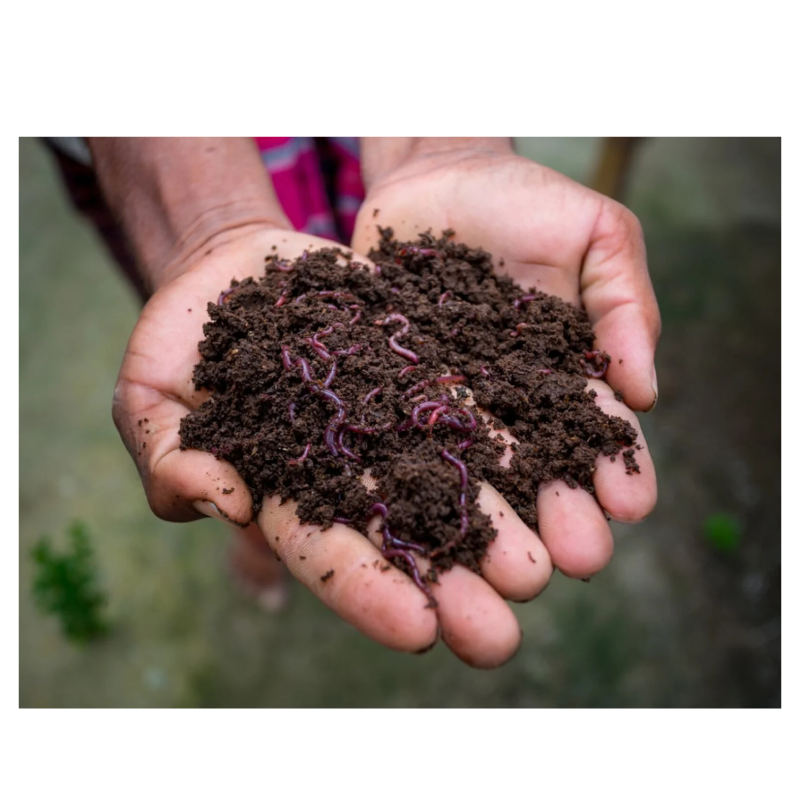
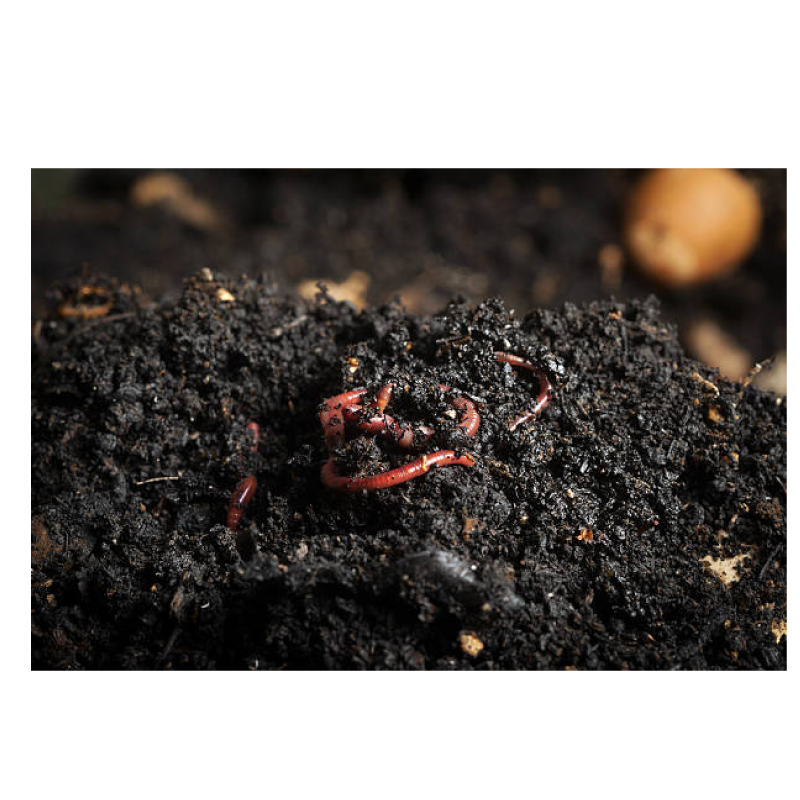
Organic Vermicompost is a natural, nutrient-rich soil conditioner prepared through the biological decomposition of cow dung and organic plant waste by earthworms, a process known as vermicomposting. The raw material base combines fresh cow dung with natural organic waste such as dry leaves, twigs, farm residue and other plant matter (“pala-pachola”), which together provide the earthworms with a balanced source of carbon-rich and nitrogen-rich material to feed on.
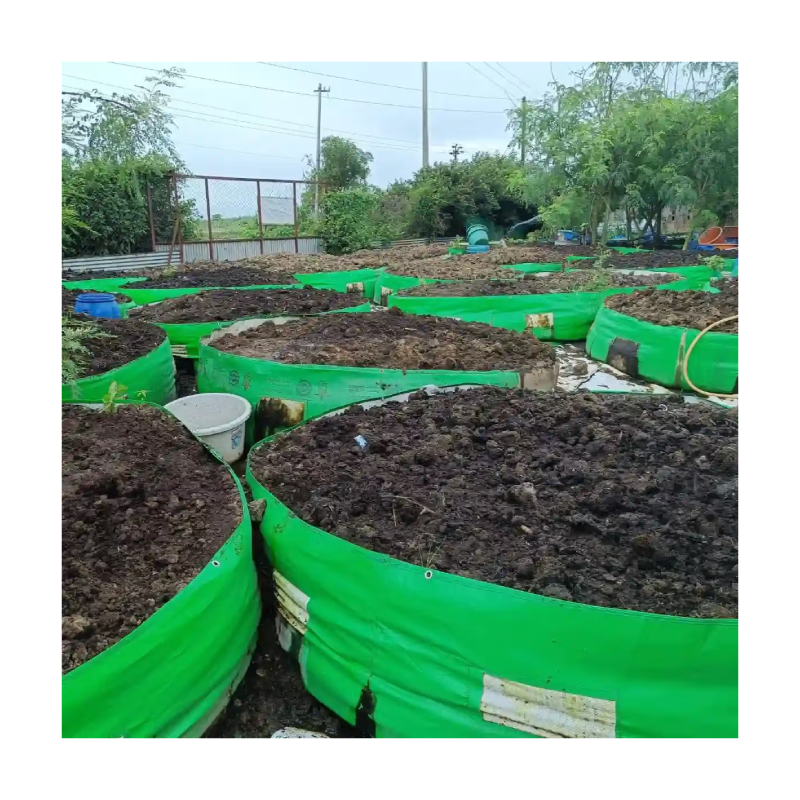
These raw materials are layered together to form vermicompost beds, prepared and maintained in a cool, shaded shed protected from direct sunlight and heavy rain. Earthworms are then introduced into the bed, where they consume the organic matter and excrete nutrient-dense worm castings over a period of approximately 40 to 50 days. During this period, the material is periodically turned — mixed from bottom to top and
top to bottom — to maintain even aeration, moisture and decomposition throughout the bed. Once fully decomposed, the material becomes a dark, granular, earthy-smelling compost of consistent quality, at which point the earthworms are carefully separated out before the finished vermicompost is sieved and packed.
Raw Materials Used
| Raw Material | Purpose |
|---|---|
| Cow Dung | Forms the primary nitrogen-rich base of the vermicompost bed and provides essential organic nutrients for earthworm activity. |
| Organic Plant Waste | Includes dry leaves, twigs, flower waste, farm residue, and other natural plant matter. It provides carbon-rich bulk, improves aeration, and supports balanced decomposition. |
| Water | Used to maintain the optimum moisture level required for earthworm survival, microbial activity, and continuous decomposition. |
No chemical, synthetic, or industrial waste material is used at any stage. Only naturally occurring cow dung, plant-based organic waste, water, and earthworms form the production base.
Our Process
Step 1 – Raw Material Collection
Fresh cow dung and organic plant waste, including dry leaves, twigs, flower waste, and farm residue, are collected from local farms and natural sources.
Step 2 – Bed Preparation
Cow dung and organic waste are layered together to form vermicompost beds inside a shaded shed protected from direct sunlight and heavy rain.
Step 3 – Introduction of Earthworms
Suitable earthworm species such as Eisenia fetida, Eudrilus eugeniae, and Perionyx excavatus are introduced into the prepared beds.
Step 4 – Decomposition Period
Over approximately 40 to 50 days, the earthworms consume and biologically break down the organic matter, converting it into nutrient-rich worm castings.
Step 5 – Periodic Turning
The material is periodically mixed from bottom to top and top to bottom to maintain uniform aeration, moisture, and decomposition across the bed.
Step 6 – Maturity Check
The compost is monitored until it develops a dark, fine, granular, crumbly consistency and a natural earthy smell, indicating complete decomposition.
Step 7 – Earthworm Separation
Earthworms are carefully separated from the mature vermicompost and retained for reuse in subsequent production batches.
Step 8 – Sieving
The finished vermicompost is sieved to remove coarse fibres, stones, undecomposed plant matter, and oversized particles, producing a fine and uniform end product.
Step 9 – Packaging
The sieved vermicompost is packed in PP or HDPE woven bags with an internal liner. Standard pack sizes include 25 kg, with customised weights available according to client requirements.
Product Information / Specifications
| Parameter | Typical Range |
|---|---|
| Organic Carbon | 9%–17% |
| Nitrogen | 0.5%–1.5% |
| Phosphorus | 0.1%–0.3% |
| Potassium | 0.15%–0.5% |
| C:N Ratio | 15:1–20:1 |
| pH | 6.5–7.5 |
| Moisture Content | 20%–30% |
| Appearance | Dark brown to black, fine, granular, and crumbly |
|---|---|
| Odour | Natural earthy smell |
| Packaging | PP or HDPE woven bags with internal liner |
| Available Weights | 25 kg (customisable as per buyer requirement) |
| Labelling | Product name, net weight, batch details, country of origin, and other buyer-specific information |
| Storage Conditions | Store in a cool, dry, and shaded location. Protect from excessive moisture, direct sunlight, and contamination. |
| Country of Origin | India |
The values stated above are typical indicative ranges and may vary according to raw material composition, seasonal conditions, processing methods, and individual production batches. Final values may be confirmed through laboratory testing of the specific batch supplied.
Uses & Applications
| Application | Description |
|---|---|
| Organic Farming | Used as a natural fertiliser and soil conditioner to improve soil fertility, organic matter content, biological activity, and nutrient availability without relying on chemical fertilisers. |
| Horticulture & Gardening | Applied in home gardens, flower beds, kitchen gardens, terrace gardens, potted plants, and ornamental landscaping to support healthy roots and balanced plant growth. |
| Commercial Agriculture | Suitable for field crops, plantation crops, orchards, vegetable cultivation, floriculture, and other commercial farming applications. |
| Landscaping | Used in lawns, public parks, private gardens, resorts, commercial landscapes, roadside plantations, and urban green spaces to enrich the soil and support plant establishment. |
| Nursery & Seedling Production | Used as a component of nursery growing media for raising healthy seedlings, saplings, ornamental plants, and vegetable transplants. |
| Potting-Mix Preparation | Blended with soil, coco peat, sand, compost, or other natural growing-media ingredients to prepare nutrient-rich potting mixtures. |
| Soil Rehabilitation | Helps improve depleted or low-organic-matter soils by adding stable organic matter, beneficial microorganisms, and naturally available nutrients. |
| Tree Plantations | Applied in planting pits and around established trees to support root development, moisture retention, and gradual nutrient availability. |
Organic Vermicompost may be applied directly to the soil, mixed into planting pits, incorporated into potting mixtures, or used as a top-dressing according to crop type, soil condition, and agricultural recommendations.